The Mind-Body Connection: How Practices Like Qigong, Tai Chi, and Yoga Contribute to Emotional and Physical Well-Being
What is the Mind-Body Connection?
Alright, let’s talk about the mind-body connection, something we all have but don’t always pay attention to. Most of us think of the mind and body as separate things, but they’re like two sides of the same coin, constantly interacting with one another. When your mind is stressed, your body feels it too—tight muscles, headaches, the whole nine yards. And when your body is feeling sluggish or in pain, your mind isn’t exactly in a happy place either.
But here’s the good news: you can actually support both your mind and body by tapping into this connection. Practices like Qigong, Tai Chi, and yoga are incredible ways to nurture both, helping you release emotional baggage, ease physical discomfort, and bring everything into balance.
Why Should We Care About the Mind-Body Connection?
Let’s get real for a second—most of us live in a constant state of stress. Whether it’s work, relationships, or just trying to keep up with the chaos of life, we rarely stop to think about how our emotional state impacts our bodies. But it does. And when we don’t give ourselves the chance to breathe (literally and figuratively), that stress builds up and takes a toll on our health—physically and emotionally.
The mind-body connection is the secret sauce that can help break that cycle. By tapping into it through mindful practices like Qigong, Tai Chi, and yoga, you’re giving yourself the tools to support emotional and physical well-being. And trust me, it works. You’re not just working out or meditating; you’re rewiring how your mind and body respond to stress, discomfort, and emotions.
Qigong: Moving Energy, Releasing Emotions
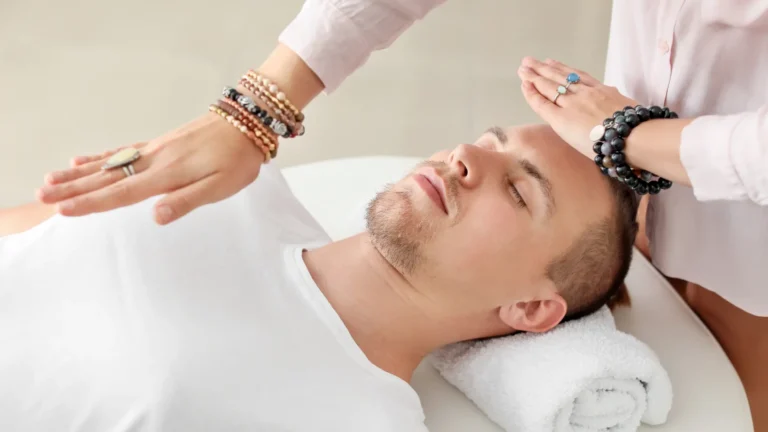
Let’s start with Qigong, which, yes, may sound a little woo woo, but hear me out. Qigong (pronounced chee-gong) is an ancient Chinese practice that focuses on the flow of energy (qi) through the body. Think of it as a moving meditation, combining gentle movements, deep breathing, and focused attention.
How does Qigong help with emotional and physical well-being? Well, when your energy is blocked or stagnant, it can show up as tension in your body or even emotional heaviness. Qigong helps you get that energy flowing again, clearing blockages and bringing your body back into balance. It’s like unclogging a drain—once everything’s flowing, you feel lighter, more energized, and, most importantly, more in tune with yourself.
But here’s the part I love—Qigong isn’t just about physical benefits. It helps you release emotions that you’ve been bottling up (whether you realize it or not). The movements are designed to open up areas where energy might be stuck—like your chest or your hips—and that can lead to emotional release. And yes, sometimes that means tears, but trust me, it’s a good thing.
Qigong is the practice of cultivating inner peace, and in this fast-paced world, we could all use more of that, right? And here’s the kicker—you don’t need any fancy equipment. Just your body, your breath, and a willingness to let go. Queue Elsa from Frozen.
Tai Chi: Graceful Movements for Balance and Strength
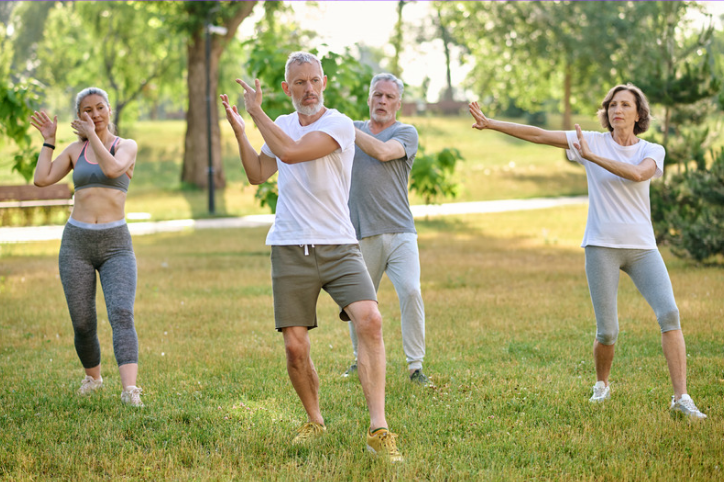
Next up: Tai Chi, the flowing, graceful movements you might have seen people practicing in the park. While Tai Chi shares some similarities with Qigong, it’s more focused on physical movement—but don’t let that fool you. It’s still deeply connected to the mind-body relationship.
Tai Chi is all about balance—both physically and emotionally. The slow, deliberate movements teach you how to be present in your body, paying attention to how you shift your weight, how your feet connect with the ground, and how you move through space. But what makes Tai Chi unique is that it’s also a form of martial art (which is super cool by the way)—just without the sparring.
Here’s why Tai Chi is a rockstar when it comes to emotional well-being: the practice teaches you how to move through stress gracefully. Instead of tensing up or reacting impulsively, Tai Chi teaches you to respond with calm, grounded energy. That translates into real-life situations too. When life throws a curveball, instead of panicking, you learn to breathe through it, stay centered, and move with the flow.
Physically, Tai Chi helps with joint health, flexibility, and strength—all while being super gentle on the body. It’s perfect for anyone looking to build strength without intense workouts. And for those thinking Tai Chi is only for older folks—nope, it’s for everyone. Emotionally, it’s like a moving meditation, helping you release tension and stress as you move.
Yoga: The Union of Body, Mind, and Spirit
And now for a crowd favorite—yoga. If you’re already familiar with yoga, you know it’s much more than just stretching or striking poses. Yoga is about union—bringing your mind, body, and spirit into harmony. Each yoga pose, or asana, is a chance to connect with your breath, feel your body, and quiet your mind.
What makes yoga such a powerful tool for emotional and physical well-being? It’s the combination of movement, breath, and mindfulness. When you’re holding a pose, you’re not just stretching your muscles—you’re also calming your nervous system, focusing your mind, and grounding yourself in the present moment.
Yoga is also incredibly adaptable. Whether you’re looking for a heart-pumping vinyasa flow or a gentle yin practice, there’s a style for every mood, body type, and level of experience. And each time you step on the mat, you’re giving yourself space to check in—physically, mentally, and emotionally.
But let’s talk about the emotional aspect. Have you ever noticed that certain poses can bring up emotions? For example, hip openers are notorious for making people feel emotional, and that’s because we tend to store a lot of stress and unresolved feelings in our hips. Did you know that? When you release the physical tension, you’re also releasing emotional tension.
And the best part about yoga? It teaches you how to breathe through discomfort. Whether you’re holding a difficult pose or dealing with a tough situation in life, yoga shows you how to stay present, breathe, and trust that you can handle it. Oh, and yoga isn’t just for the super flexible either. It’s for anyone who wants to reconnect with their body.
How These Practices Contribute to Emotional and Physical Well-Being
So, how do Qigong, Tai Chi, and yoga contribute to both emotional and physical wellness? It’s all about balance. These practices help you reconnect with yourself on a deeper level, allowing you to release tension, stress, and emotions that you’ve been holding onto. And by doing so, you’re giving both your mind and body the space to restore balance.
Let’s break it down:
- Physical Well-Being: These practices gently stretch and strengthen your muscles, improve flexibility, and boost circulation. They’re low-impact, making them accessible for everyone, regardless of age or fitness level. By moving with intention, you’re also improving your posture and balance, which can help alleviate discomfort in your body.
- Emotional Well-Being: The mind-body connection is key here. Qigong, Tai Chi, and yoga all emphasize mindfulness and presence, which helps you become more aware of your emotions. By focusing on your breath and movement, you’re able to release emotions that are stuck in your body—whether it’s anxiety, grief, or anger. Over time, you’ll notice that you feel lighter, more grounded, and more in control of your emotions.
- Stress Relief: Let’s face it—stress is unavoidable, but how we respond to it makes all the difference. These practices teach you how to move through stress, rather than getting stuck in it. Whether it’s through gentle Qigong flows, the graceful movements of Tai Chi, or the breathwork in yoga, you’re learning how to calm your nervous system and find peace in the chaos.
Final Thoughts: The Power of the Mind-Body Connection
The mind-body connection is more powerful than we often realize. When we take time to nurture both our minds and bodies through practices like Qigong, Tai Chi, and yoga, we’re giving ourselves the gift of balance and well-being—on every level. It’s not just about getting stronger or more flexible (though that’s a nice bonus), it’s about reconnecting with ourselves, releasing what no longer serves us, and moving forward with a sense of peace and harmony.
And the best part? These practices can be done by any age. So no excuses! Whether you’re young, fit, older, or still working on touching your toes, you can do it!
So, the next time you’re feeling overwhelmed—emotionally or physically—remember that you’ve got the tools to support yourself. Your mind and body are on the same team, and practices like these will remind you just how powerful that connection really is. You’ve got this.